

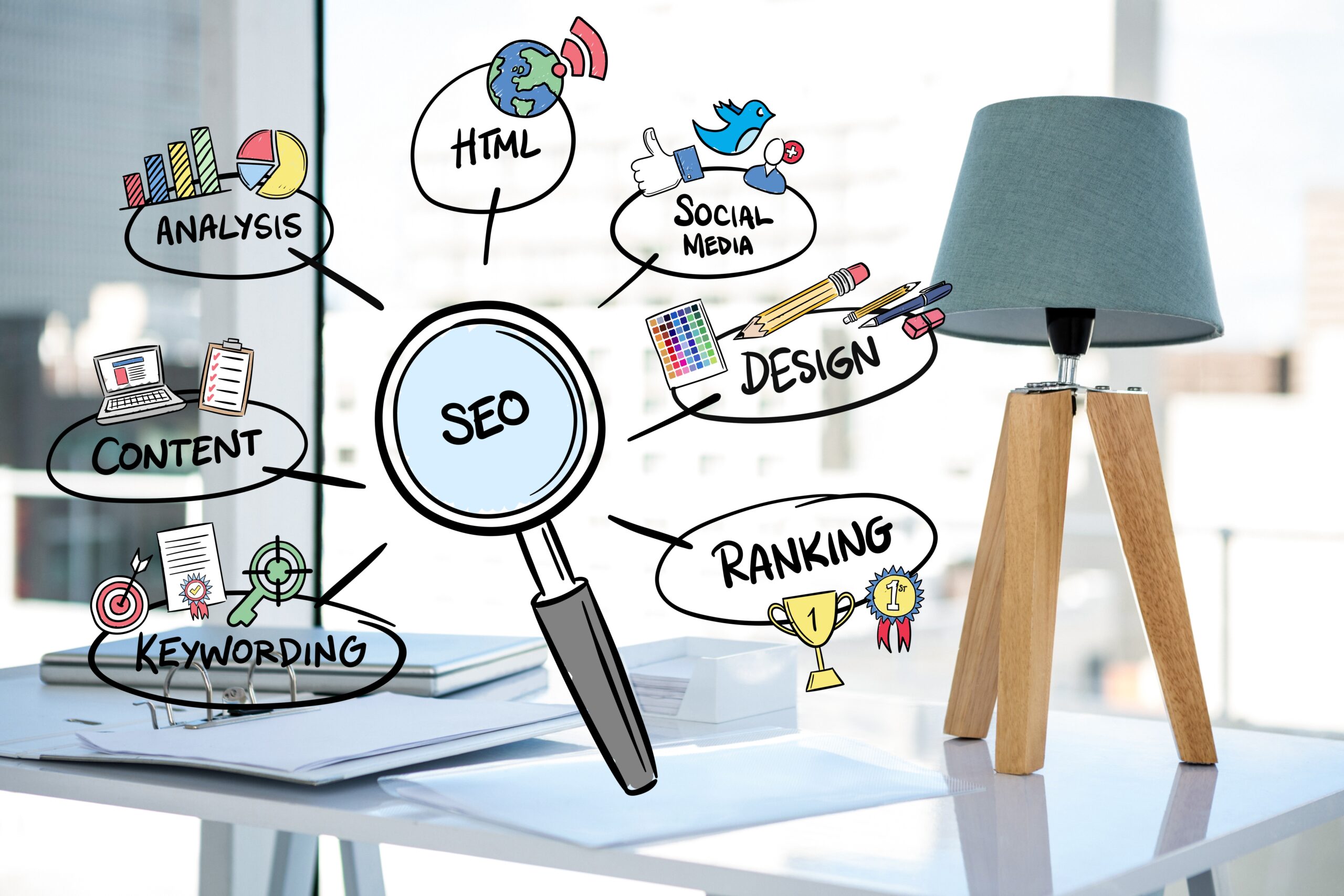
Mastering SEO (Search Engine Optimization) – Introduction
In the digital age, having an online presence is essential for businesses, content creators, and anyone looking to reach a broader audience. However, simply having a website is not enough. To stand out amidst the millions of other websites, you need to ensure that your site is visible and easily discoverable by search engines like Google, Bing, and Yahoo. This is where Search Engine Optimization (SEO) comes into play.
What is SEO?
SEO is the practice of optimizing your website and its content to improve its visibility on search engine results pages (SERPs). The goal of SEO is to drive organic (non-paid) traffic to your website, ensuring that your content is shown to users who are actively searching for information, products, or services related to your niche.
Why is SEO Important?
When people search for something online, they typically click on one of the top results that appear on the first page of the search engine. Studies have shown that the majority of users rarely scroll past the first page, let alone the first few results. Therefore, appearing on the first page of Google for relevant keywords is crucial to attracting traffic and growing your online presence.

SEO is important because:
– Increased Visibility: A well-optimized website ranks higher, helping it reach a larger audience.
– Better User Experience: SEO involves improving the quality of your website’s content and usability, which leads to a better experience for visitors.
– Cost-Effective: Unlike paid advertising, organic traffic from search engines is free, making SEO a cost-effective marketing strategy.
– Builds Credibility and Trust: Websites that appear at the top of search results are often perceived as more trustworthy and authoritative.
Key Components of SEO
SEO is a multifaceted discipline, involving several tactics and strategies. These can be broadly categorized into three main components: On-Page SEO, Off-Page SEO, and Technical SEO.
1. On-Page SEO
On-page SEO refers to the practices you can implement directly on your website to improve its rankings. It involves optimizing individual pages to make them more relevant to both users and search engines. Key elements of on-page SEO include:
– Keyword Research: Identifying the right keywords (terms and phrases) that potential visitors are searching for. These keywords should be strategically placed in titles, headings, content, meta tags, and URLs.
– Content Quality: Search engines prioritize high-quality, relevant, and engaging content. Content should be informative, well-written, and answer the questions users are searching for.
– Meta Tags: Title tags and meta descriptions are crucial for both SEO and user engagement. They should contain relevant keywords and be compelling enough to encourage users to click.
– Internal Linking: Linking to other relevant pages within your site helps search engines understand the structure of your website and can improve the ranking of other pages.
– Mobile-Friendliness: With mobile-first indexing, Google gives preference to websites that are optimized for mobile devices. Ensure your site is responsive and provides a good user experience on smartphones and tablets.
2. Off-Page SEO
Off-page SEO refers to actions taken outside of your website to improve its search engine rankings. The most important factor in off-page SEO is backlinks, which are links from other websites to your site. Backlinks act as “votes of confidence” for your content and signal to search engines that your site is credible and authoritative. Key aspects of off-page SEO include:
– Backlink Building: Acquiring high-quality backlinks from reputable sites can significantly improve your website’s authority and ranking.
– Social Media Signals: Although social media activity doesn’t directly impact rankings, having an active social presence can drive traffic and increase brand visibility, which may indirectly benefit SEO.
– Guest Blogging: Writing articles for other blogs or websites in your industry can help you build backlinks and increase exposure.
– Brand Mentions: Even if a website doesn’t link back to you, a mention of your brand or content can still influence your SEO.
3. Technical SEO
Technical SEO focuses on improving the backend of your website to ensure search engines can crawl, index, and understand your content. Key aspects of technical SEO include:
– Site Speed: Google considers page load speed a ranking factor. Websites that load faster provide a better user experience and are more likely to rank higher.
– Mobile Optimization: With mobile-first indexing, ensuring your site is mobile-friendly is critical. Your site should be responsive and work well across all devices.
– Crawlability and Indexing: Search engines use bots to crawl websites and index their content. Ensuring that your site’s pages are easily accessible to these bots is essential for good SEO.
– SSL Encryption: Google uses HTTPS as a ranking signal, so securing your site with an SSL certificate is important for both SEO and user trust.
– XML Sitemap: An XML sitemap helps search engines understand the structure of your website and ensures that all pages are crawled and indexed.
How Search Engines Work
To understand SEO, it’s important to know how search engines work. Search engines like Google use crawlers (also known as spiders or bots) to explore the web and index pages. These crawlers follow links from one page to another, analyzing the content and structure of each page they visit. Once a page is indexed, it can appear in the search results when a user queries a relevant keyword.
Search engines use complex algorithms to rank websites based on hundreds of factors, including the quality and relevance of content, backlinks, user experience, and technical aspects of the site. These algorithms are constantly updated to improve search results and provide users with the most relevant and useful information.
SEO Best Practices
To optimize your website effectively, consider the following best practices:
– Focus on User Intent: Always prioritize user intent and create content that answers the specific questions or needs of your audience.
– Create High-Quality Content: Content is king in SEO. Make sure your content is comprehensive, valuable, and regularly updated.
– Optimize for Featured Snippets: Featured snippets are special search results that appear at the top of the SERPs. By structuring your content to answer common questions, you can increase your chances of appearing in a featured snippet.
– Monitor and Analyze Performance: Use tools like Google Analytics and Google Search Console to track your website’s performance, identify opportunities for improvement, and measure the effectiveness of your SEO efforts.
Conclusion
Search Engine Optimization (SEO) is an essential component of any successful digital marketing strategy. By optimizing your website for search engines, you increase your chances of being discovered by people searching for information, products, or services related to your business. SEO requires a combination of on-page, off-page, and technical strategies to improve your rankings and visibility. While it can take time to see results, the long-term benefits of SEO, including increased traffic, brand credibility, and improved user experience, make it an invaluable investment.
Whether you’re just starting your SEO journey or looking to refine your existing strategy, understanding the fundamentals of SEO will help you navigate the ever-evolving world of search engines and improve your chances of success.

